

Six Smart Financial Goals That Could Transform Your Money in 2026 |
84% of Americans plan financial goals for 2026. Discover 6 smart strategies including emergency funds, high-yield savings accounts, and debt reduction plans. |
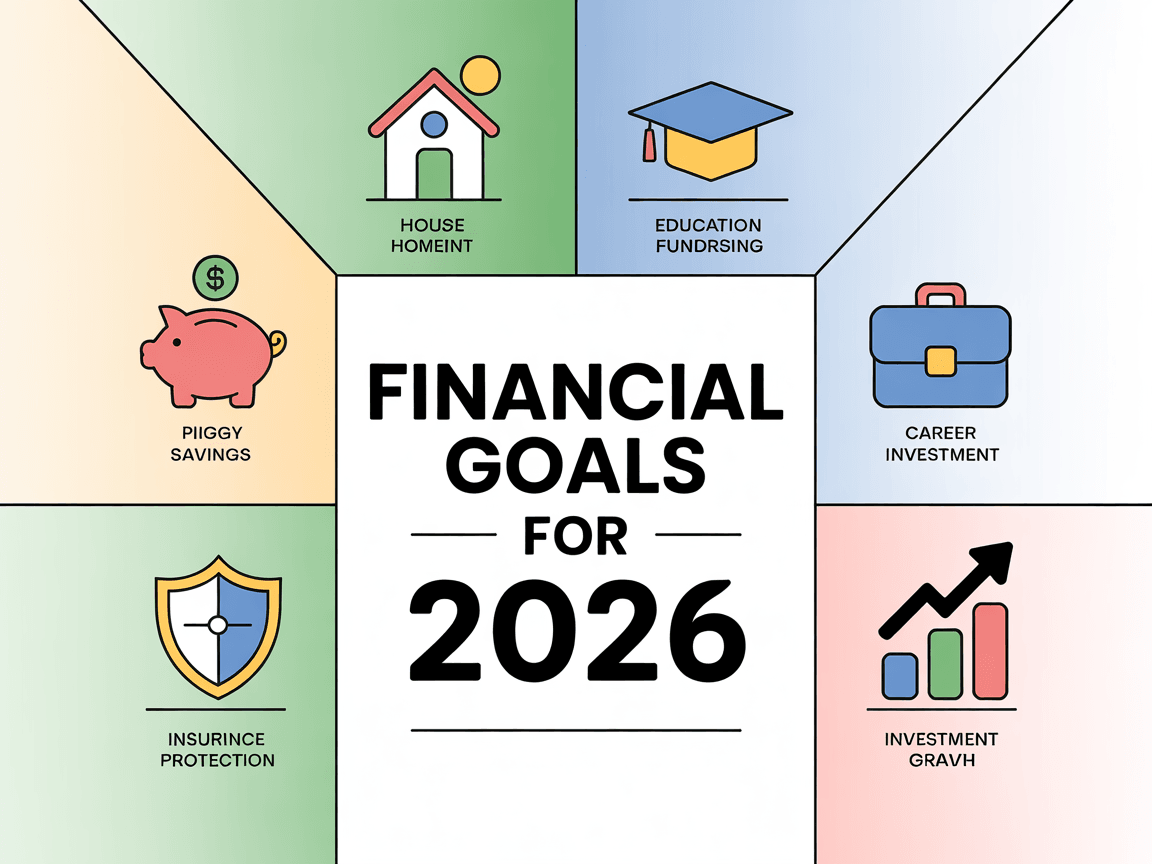
A striking 84% of adults have already mapped out their financial game plan for 2026, with building emergency funds and using high-yield savings accounts emerging as the year's most popular money moves.
The surge in financial planning reflects growing awareness among Americans, with 78% specifically targeting emergency savings as their top priority — a sharp pivot from last year's widespread shortfalls.
Baby Boomers are laser-focused on shielding themselves from unexpected expenses, while Millennials cite insufficient income as their biggest hurdle, and Gen Z admits to struggling with overspending habits.
Here are six practical financial goals that could reshape your money strategy for the year ahead.
Build Your Emergency Safety Net
Financial experts consistently recommend stashing away three to six months of living expenses in a high-yield savings account, but the reality is sobering.
Only 46% of Americans currently meet the three-month threshold, yet those with even modest reserves of $2,000 experience 21% better financial well-being compared to those without any emergency cushion.
The key is starting small and building momentum through consistent contributions.
Maximize High-Yield Savings Opportunities
Today's best high-yield savings accounts offer rates reaching 4.35%, with many competitive options hovering around 4% APY — a stark contrast to traditional savings accounts paying a measly 0.40%.
While experts anticipate the Federal Reserve could lower rates two or three times by mid-2026, opening a high-yield account early in the year still represents a smart financial move.
These accounts provide easy access to funds while maintaining FDIC insurance protection, making them ideal for emergency reserves and short-term financial goals.
Create a Realistic Monthly Budget
Budget planning serves as the foundation for aligning income with both immediate needs and long-term aspirations.
The popular 50/30/20 rule allocates 50% of after-tax income to living expenses, 30% to discretionary spending, and 20% toward savings.
Smart savers can potentially redirect portions of that 30% discretionary bucket to accelerate their savings goals.
Address Income Shortfalls
A troubling income gap has emerged across American households, with families potentially needing thousands more annually to maintain comfortable budgets.
Identifying these gaps early allows for strategic adjustments through side income, skill development, or expense optimization.
The gig economy and digital platforms have made earning supplemental income more accessible than ever.
Automate Your Savings Success
Automated savings tools are gaining significant traction, particularly benefiting low-income individuals who can maintain small, consistent contributions without manual effort.
Setting up automatic transfers through direct deposit — such as directing 90% to checking and 10% to savings — removes the temptation to spend before saving.
This "pay yourself first" approach builds wealth systematically while requiring minimal ongoing effort.
Tackle High-Interest Debt Strategically
Eliminating expensive credit card debt frees up monthly cash flow while reducing interest charges that can compound rapidly.
With the average American carrying $21,500 in personal debt outside mortgages, and credit cards representing the primary source, debt reduction has become a higher priority than saving for many households.
The most effective approach involves listing all debts with their rates and balances, then prioritizing high-interest accounts to minimize total interest costs.
While 75% of Americans fell short of their financial resolutions in 2025, most report feeling optimistic about achieving their 2026 goals.
The key to financial success lies in setting realistic, actionable goals that build sustainable money habits throughout the year. |
0 Comments
Join the conversation
Be the first to comment
Share your thoughts above.