
Learning to Speak Reverse in Long Island, New York |
Differences between home equity conversion mortgage and reverse mortgage |
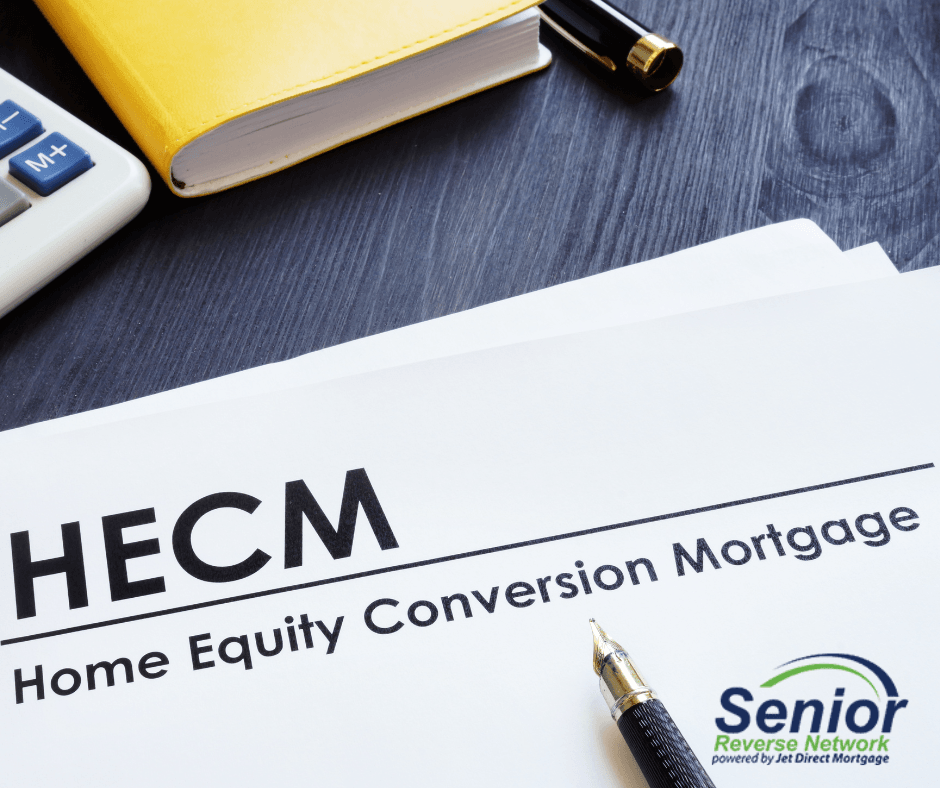
Many homeowners in Long Island, New York, are exploring options to tap into their home equity during retirement.
Understanding the terms associated with reverse mortgages, particularly the Home Equity Conversion Mortgage (HECM), is essential for making informed decisions.
Repayment Terms
Unlike traditional mortgages, reverse mortgages do not require monthly principal and interest payments.
Instead, the loan balance typically increases over time as interest accrues.
This structure is designed to support cash flow during retirement, allowing homeowners to access their equity without immediate repayment obligations.
However, borrowers remain responsible for property taxes, homeowners insurance, and maintaining the home.
Failure to meet these obligations can lead to foreclosure.
Interest Rates
HECMs often feature adjustable interest rates, which can affect the loan balance over time.
While this variability allows for flexible disbursement options, such as monthly payments or lines of credit, it also means that the total amount owed can fluctuate.
It's crucial for borrowers to understand how these rates impact their loan and to plan accordingly.
Key Terms to Know
Familiarity with specific terminology can demystify the reverse mortgage process:
Principal Limit Factor (PLF): This determines the amount of equity accessible, considering the borrower's age and current interest rates.
Mandatory Obligations: Expenses that must be settled at closing, including existing mortgages and closing costs, which can influence the funds available to the borrower initially.
Financial Assessment: An evaluation of the borrower's financial history to ensure they can meet ongoing obligations like taxes and insurance.
Life Expectancy Set-Aside (LESA): A portion of loan proceeds reserved to cover future property charges, ensuring the borrower can meet these expenses over time.
Non-Recourse Protection: Ensures that neither the borrower nor their heirs will owe more than the home's value upon sale, even if the loan balance exceeds the property's worth.
In Suffolk County, there has been a notable increase in reverse mortgage foreclosures, particularly affecting seniors in urban areas.
This trend underscores the importance of understanding loan terms and maintaining financial obligations to protect one's home.
Reverse mortgages can be a valuable tool for enhancing financial stability in retirement.
By comprehending repayment structures, interest rate implications, and key terms, Long Island homeowners can make informed decisions that align with their financial goals.
Consulting with a financial advisor or HUD-approved counselor can provide personalized guidance tailored to individual circumstances.
|
0 Comments
Join the conversation
Be the first to comment
Share your thoughts above.