

Effective Strategies to Pay Off Debt Faster |
Proven methods to accelerate your journey to financial freedom |
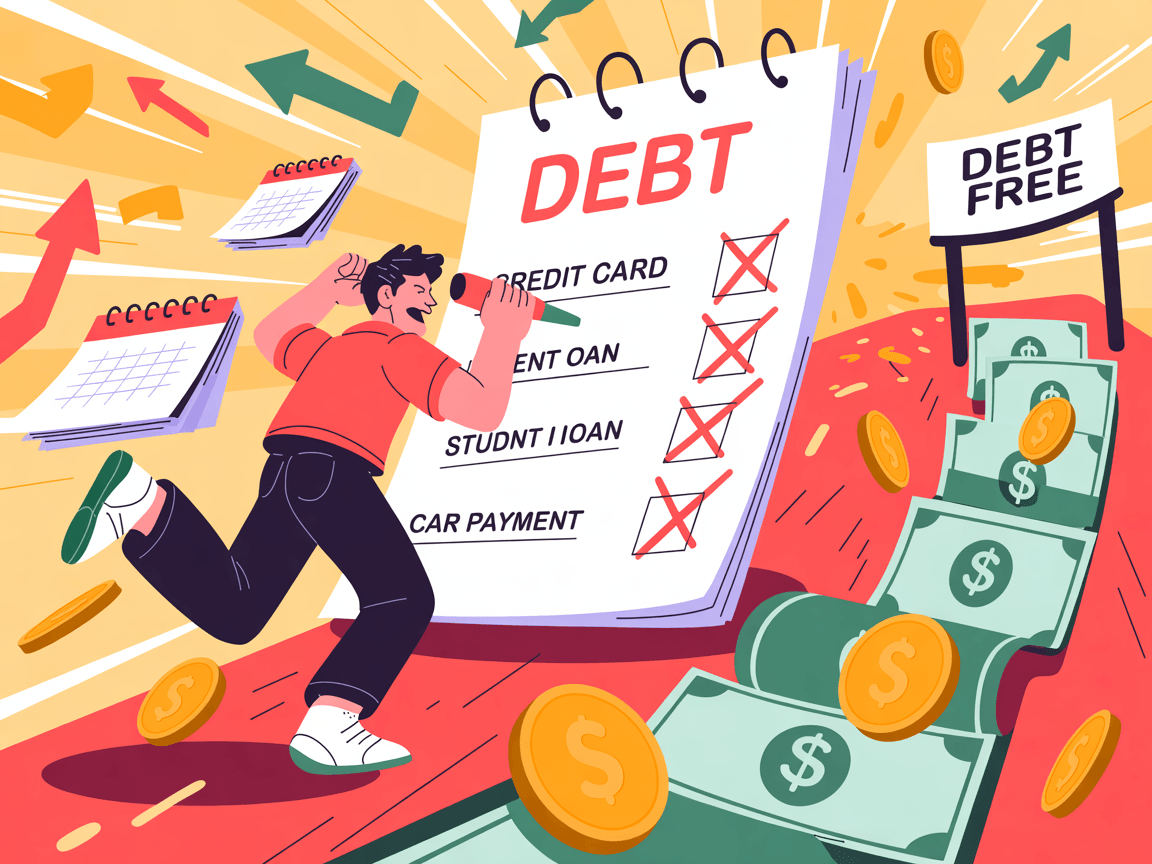
Managing and eliminating debt is a common challenge for many individuals.
Implementing effective strategies can significantly reduce your debt burden and expedite your path to financial freedom.
Here are five proven methods to help you pay off debt faster:
1. Reduce Your Interest Rates
High-interest rates can substantially increase the total amount you owe over time.
Lowering these rates can make a significant difference in your repayment journey.
Consider the following approaches:
Negotiate with Creditors: Reach out to your creditors to discuss the possibility of lowering your interest rates.
Many lenders are open to negotiation, especially if you have a history of timely payments.
Utilize Balance Transfers or Debt Consolidation Loans: Transferring high-interest debt to a credit card with a lower interest rate or consolidating multiple debts into a single loan can simplify payments and reduce interest costs.
Be mindful of any associated fees and ensure the new terms are favorable.
Refinance Existing Loans: Refinancing options are available for various types of debt, including mortgages, auto loans, and student loans.
Securing a lower interest rate through refinancing can decrease your monthly payments and the total interest paid over the life of the loan.
2. Increase Your Income
Boosting your income provides additional funds to allocate toward debt repayment.
Explore these options:
Take on a Side Job: Engaging in part-time work or freelance opportunities can generate extra income.
Options include gig economy roles, tutoring, or leveraging specialized skills.
Request a Raise: If you've demonstrated value in your current position, consider negotiating a salary increase.
Prepare by highlighting your accomplishments and researching industry standards.
Seek Higher-Paying Employment: Exploring new job opportunities that offer better compensation can provide the financial boost needed to accelerate debt repayment.
3. Cut Expenses
Reducing your monthly expenditures frees up more money to put toward debt.
Implement these strategies:
Create a Budget: Develop a detailed budget to track income and expenses.
Identify areas where you can cut back, such as dining out or subscription services.
Lower Your Bills: Review recurring bills and negotiate for better rates on services like insurance, internet, and utilities.
Switching providers or bundling services can also lead to savings.
Reduce Discretionary Spending: Limit non-essential purchases and focus on necessities.
Small changes, like brewing coffee at home or canceling unused memberships, can add up over time.
4. Avoid Accumulating New Debt
Preventing additional debt is crucial to staying on track.
Consider the following:
Use Cash or Debit Cards: Relying on cash or debit cards ensures you're spending within your means and avoids the temptation of credit.
Build an Emergency Fund: Establishing a savings buffer for unexpected expenses reduces the need to rely on credit cards or loans during emergencies.
Aim to save three to six months' worth of living expenses.
5. Utilize Debt Repayment Strategies
Structured repayment methods can provide clarity and motivation.
Two popular approaches are:
Debt Snowball Method: Focus on paying off the smallest debt first while making minimum payments on others.
Once the smallest debt is cleared, move to the next smallest.
This method builds momentum and provides psychological wins.
Debt Avalanche Method: Prioritize debts with the highest interest rates first, paying them off while making minimum payments on others.
This approach minimizes the total interest paid over time.
Implementing these strategies requires commitment and discipline.
By reducing interest rates, increasing income, cutting expenses, avoiding new debt, and employing effective repayment methods, you can accelerate your journey to becoming debt-free.
Remember, seeking guidance from a financial advisor can provide personalized advice tailored to your unique situation.
|
0 Comments
Join the conversation
Be the first to comment
Share your thoughts above.