

Essential Medical Tests for Individuals Over 60 |
Key screenings to maintain health and vitality in your senior years |
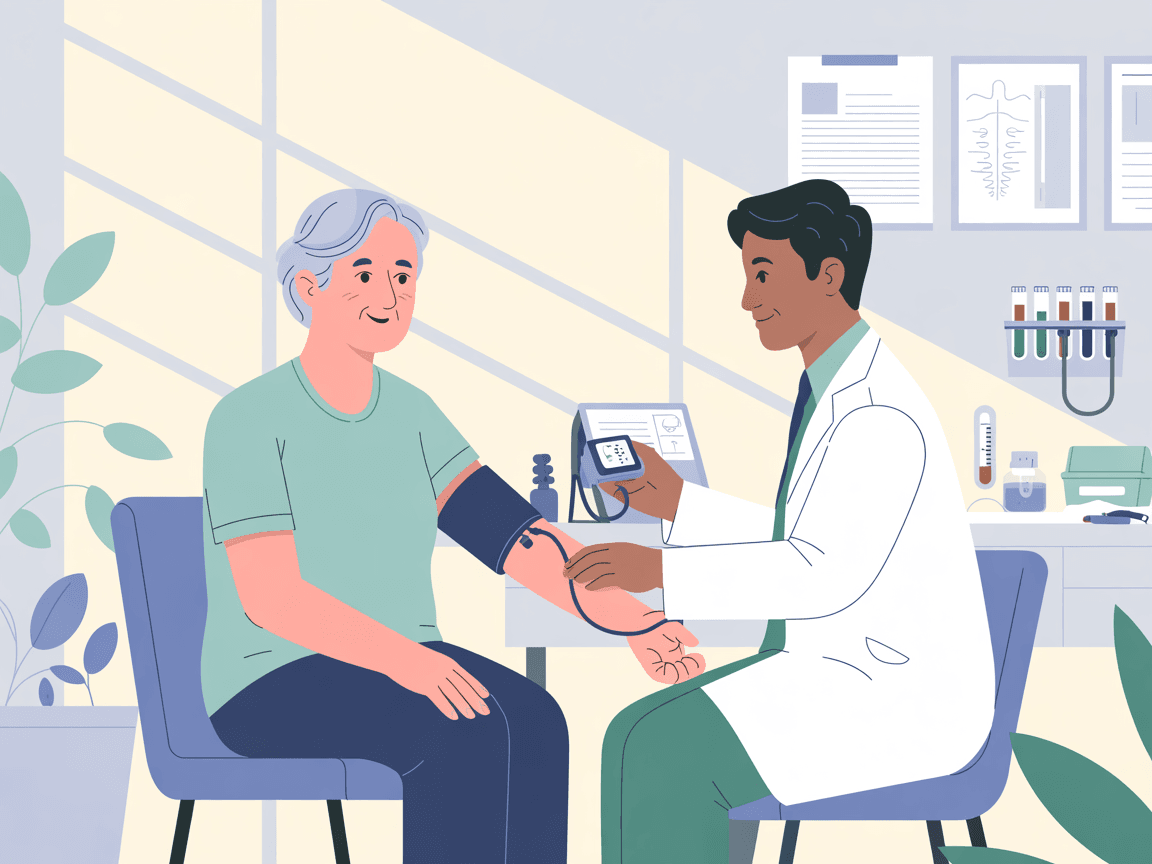
Maintaining your health after 60 is crucial for a vibrant and independent life.
Regular medical tests can detect potential issues early, ensuring timely intervention.
Here are essential screenings recommended for those over 60:
Blood Pressure Monitoring
High blood pressure often presents no symptoms but can lead to serious health problems.
It's advisable to have your blood pressure checked annually.
If readings are elevated or if you have risk factors, more frequent monitoring may be necessary.
Weight Management
As metabolism slows with age, weight gain becomes more common.
Regular weight checks can help you manage and maintain a healthy weight, reducing the risk of related health issues.
Colorectal Cancer Screening
Screening for colorectal cancer is recommended starting at age 45 and continuing until age 75.
Options include:
- Annual fecal occult blood testing
- Sigmoidoscopy every five years, combined with fecal occult blood testing every three years
- Colonoscopy every ten years
Discuss with your doctor which method suits you best.
Prostate Cancer Screening
Men aged 55 to 69 should discuss the benefits and risks of prostate-specific antigen (PSA) testing with their doctor.
Routine screening is not recommended for men over 70.
Breast Cancer Screening
Women aged 50 to 74 are advised to have a mammogram every two years.
Those over 75 should consult their doctor to determine the need for continued screening.
Cervical Cancer Screening
Women aged 65 and older should discuss with their doctor whether to continue Pap smears and HPV tests, especially if they have a history of normal results.
Eye Examinations
Regular eye exams are essential to detect conditions like macular degeneration, cataracts, and glaucoma.
Consult your eye doctor for personalized recommendations.
Hearing Tests
Hearing loss is common in older adults.
It's advisable to have your hearing checked every three years, or more frequently if you notice changes.
Bone Density Test
Women aged 65 and older should have a bone density test to assess osteoporosis risk.
Men should discuss with their doctor whether testing is appropriate based on individual risk factors.
Cholesterol Screening
High cholesterol increases the risk of heart disease.
Regular lipid panels are recommended, with frequency determined by your doctor based on your health profile.
Vaccinations
Stay up-to-date with vaccinations, including:
- Annual flu shot
- Pneumococcal vaccine at age 65
- Shingles vaccine for those over 50
- Tetanus-diphtheria booster every ten years
Abdominal Aortic Aneurysm Screening
Men aged 65 to 75 who have ever smoked should have a one-time ultrasound screening for abdominal aortic aneurysm.
Women with a strong family history should discuss screening with their doctor.
Blood Sugar Testing
Screening for diabetes is recommended every three years, or more frequently if you have risk factors.
Thyroid Function Test
Discuss with your doctor whether thyroid function tests are appropriate, especially if you have symptoms like fatigue or weight changes.
Skin Cancer Screening
Regular skin checks can detect early signs of skin cancer.
Consult your doctor about the need for routine skin examinations.
Dental Examinations
Annual dental check-ups are important to maintain oral health and detect issues like gum disease.
Incorporating these screenings into your healthcare routine can help you maintain optimal health and enjoy your senior years to the fullest. |
0 Comments
Join the conversation
Be the first to comment
Share your thoughts above.