

Understanding Gluten: Its Role in Foods and Health Implications |
Explore what gluten is, its presence in foods, and its health effects, including its role in baking and implications for those with celiac disease. |
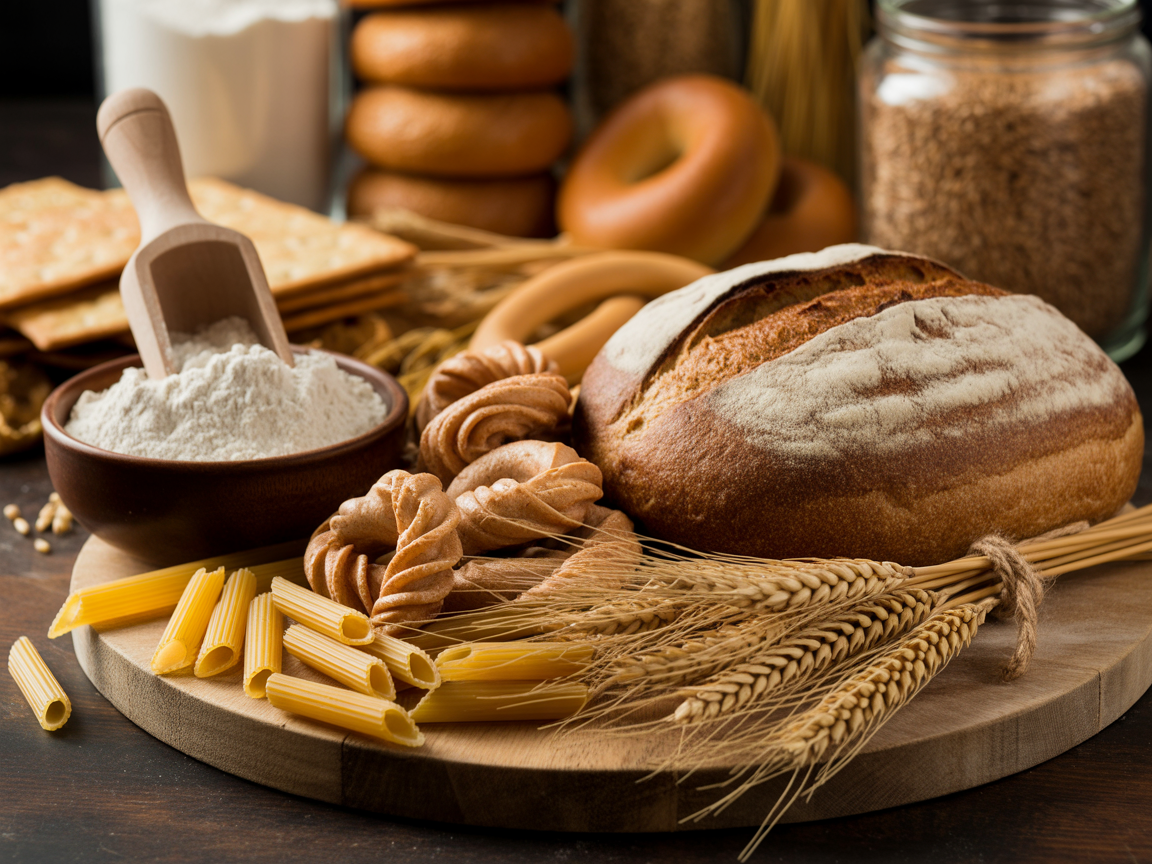
Gluten is a structural protein complex naturally found in certain cereal grains, primarily wheat, barley, and rye. It comprises two main proteins: gliadin and glutenin. When flour from these grains is mixed with water, gluten forms an elastic network that gives dough its characteristic elasticity and chewiness. This property is essential in baking, as it allows bread and other baked goods to rise and maintain their shape.
Common foods containing gluten include breads, pastas, cereals, and baked goods. Additionally, gluten can be present in less obvious products like soy sauce, beer, and certain processed foods where it acts as a stabilizer or thickening agent. Therefore, it's crucial for individuals sensitive to gluten to read ingredient labels carefully.
In baking, gluten's viscoelastic properties are vital. The protein content in flour determines the amount of gluten that can form. For instance, bread flour has a higher protein content, resulting in more gluten formation, which is ideal for chewy bread textures. Conversely, cake flour has less protein, leading to tender baked goods. Gluten acts as a binder, providing structure and elasticity to dough.
Gluten is found in whole grains like wheat, which are sources of fiber, folate, and other essential nutrients. However, for individuals with celiac disease, gluten triggers an autoimmune response that damages the small intestine, leading to nutrient malabsorption and various health issues. Symptoms can range from fatigue and bloating to severe complications like weight loss and malnutrition.
The term "gluten-free" indicates that a product contains less than 20 parts per million of gluten, a standard set by the FDA to ensure safety for those with celiac disease. This labeling helps consumers identify suitable products, though it's important to note that not all gluten-free foods are labeled as such, as manufacturers voluntarily choose to label their products.
For those following a gluten-free diet, numerous recipes are available that use alternative flours and ingredients to replicate the textures and flavors of traditional gluten-containing foods. Exploring these options can make adhering to a gluten-free lifestyle both enjoyable and nutritious. |
0 Comments
Join the conversation
Be the first to comment
Share your thoughts above.