
Understanding Reverse Mortgages: A Flexible Financial Tool for Retirees |
Explore the key features and recent updates of reverse mortgages, a flexible financial tool for retirees. |
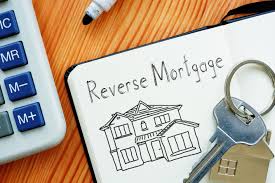
Many retirees find the concept of a reverse mortgage daunting, yet it's a straightforward financial instrument designed to enhance retirement flexibility.
A Home Equity Conversion Mortgage (HECM) is essentially a line of credit tailored for homeowners aged 62 and older, offering unique benefits:
1. Optional Payments Borrowers have the choice to make monthly payments ranging from zero to any amount they prefer. This flexibility allows for personalized cash flow management during retirement.
2. Lifetime Housing Security Repayment isn't required until the last homeowner vacates the property. By maintaining property taxes, insurance, and upkeep, residents can remain in their homes indefinitely.
3. Non-Recourse Protection Regardless of housing market fluctuations, neither borrowers nor their heirs will owe more than the home's value. This ensures that the property itself suffices to settle the loan balance.
4. Growing Line of Credit The available credit line increases over time, providing a growing reserve of tax-free funds for future needs. This feature can result in substantial financial resources over the years.
Recent developments have further enhanced the appeal of reverse mortgages:
Increased Lending Limits As of January 1, 2025, the FHA has raised the HECM lending limit to $1,209,750, up from $1,149,825 in 2024. This increase allows homeowners with higher-valued properties to access more equity.
Enhanced Borrower Protections New regulations have been introduced to improve borrower safety. These include financial assessments to ensure borrowers can meet obligations like property taxes and insurance, and provisions allowing eligible non-borrowing spouses to remain in the home after the borrowing spouse's death.
In summary, reverse mortgages offer strategic flexibility, serving as a planning tool to protect portfolios, fund long-term care, or provide retirees with additional options.
Understanding these features and recent updates can help retirees make informed decisions about incorporating reverse mortgages into their financial strategies. |
0 Comments
Join the conversation
Be the first to comment
Share your thoughts above.