

When Is It Time to Hang Up the Snow Shovel? |
Learn when it's time to stop shoveling snow and how older adults can stay safe during winter. |
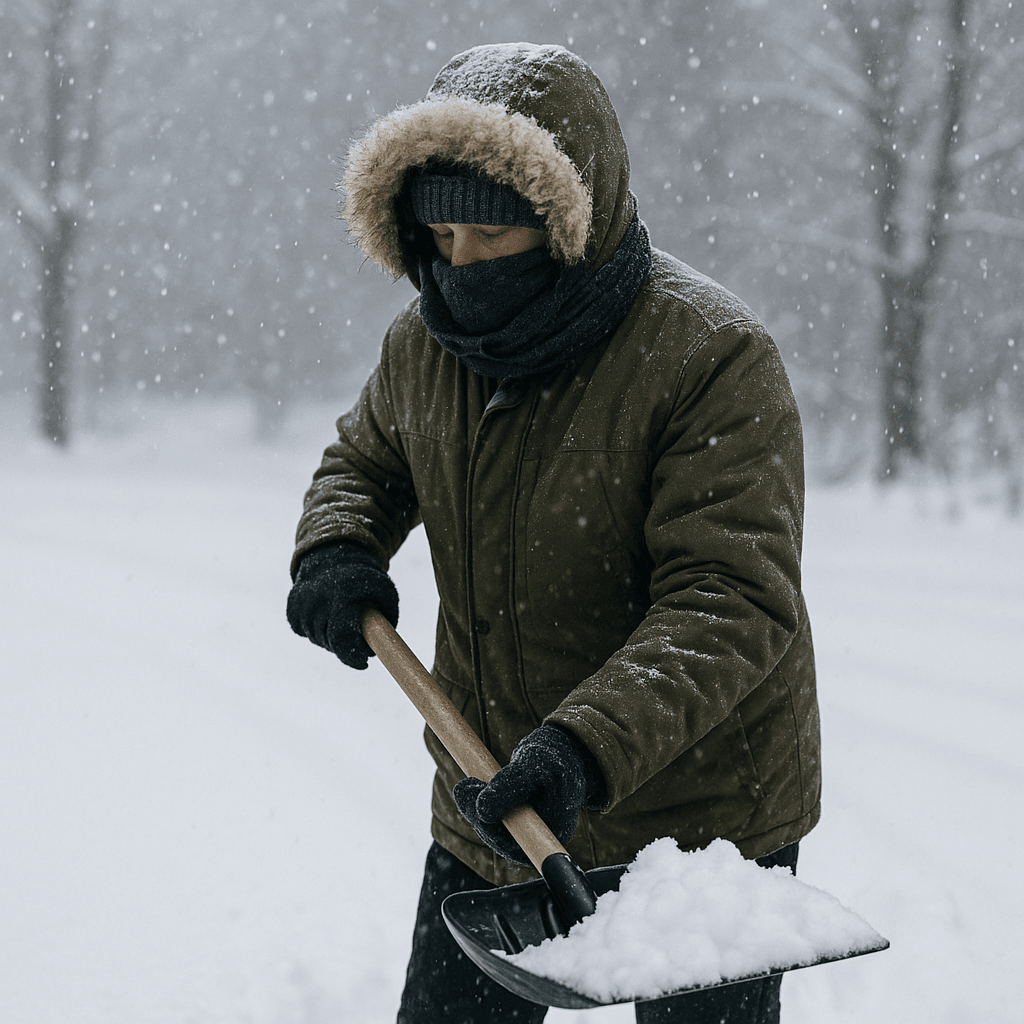
As winter blankets our neighborhoods in snow, the task of clearing driveways and sidewalks becomes a seasonal routine.
However, for older adults, this seemingly mundane chore can pose significant health risks.
Understanding when it's time to delegate snow shoveling is crucial for maintaining health and safety.
Health experts caution that individuals over the age of 55 should exercise particular care when shoveling snow.
Those with known or suspected heart conditions, high blood pressure, or high cholesterol are at an increased risk.
Additionally, factors such as smoking, obesity, and a sedentary lifestyle can further elevate the danger associated with this strenuous activity.
Shoveling snow is more than just a household chore; it's a physically demanding task that can strain the heart and muscles.
The combination of cold temperatures and intense exertion can lead to increased heart rate and blood pressure, potentially triggering heart attacks.
Studies have shown a correlation between heavy snowfall and a rise in heart-related emergencies, particularly among older adults.
To minimize risks, consider the following safety tips:
Warm Up Before Shoveling: Engage in light exercises to prepare your body for the physical activity ahead.
Use Proper Equipment: Opt for a lightweight, ergonomic shovel to reduce strain on your body.
Adopt Safe Techniques: Push the snow rather than lifting it when possible.
If lifting is necessary, do so with your legs, not your back, and avoid twisting motions.
Take Regular Breaks: Pace yourself and rest periodically to prevent overexertion.
Stay Hydrated: Drink water before, during, and after shoveling to maintain hydration.
Be Aware of Warning Signs: If you experience chest discomfort, shortness of breath, or dizziness, stop immediately and seek medical attention.
Given the potential dangers, older adults are encouraged to seek alternatives to shoveling.
Hiring a snow removal service, enlisting the help of neighbors, or using snow blowers can reduce physical strain.
Prioritizing health and safety during the winter months is essential.
Recognizing the risks associated with snow shoveling and taking appropriate precautions can help prevent injuries and health emergencies.
When in doubt, it's always best to consult with a healthcare provider before engaging in strenuous activities, especially in cold weather conditions. |
0 Comments
Join the conversation
Be the first to comment
Share your thoughts above.