Advertisement Advertisement
Long Island
Newsletter

Never miss a story.

Get the best of The Savvy Retiree Digest in your inbox — free, no spam.

Latest News

Standby Reverse Mortgage Solutions for Long Island, New York

Explore the unretirement trend and how standby reverse mortgages can provide financial security for Long Island seniors.
Larry Speir

Larry Speir

Mar 11, 2026
Standby Reverse Mortgage Solutions for Long Island, New York

More Long Island retirees are returning to work as the “unretirement” trend gains momentum. Rising living costs and dwindling retirement funds are key factors, with nearly 60% of seniors lacking stable retirement income and facing tough financial choices.


Factors like unpredictable markets, sudden medical expenses, and soaring property taxes often force seniors back into the workforce or leave them supporting family members, quickly eroding their savings.


Some are turning to standby reverse mortgages as a safety net. These financial tools let homeowners aged 62 and older tap into home equity when needed, helping cover emergencies while preserving financial flexibility.


By arranging a standby reverse mortgage before hardship strikes, retirees can secure better terms and have peace of mind knowing they have backup funds.


Seeking advice from a financial expert is strongly recommended to fully understand the potential benefits for Long Island’s aging population.


"Uncovering the Decades-Long Blind Spot: A Revelation of Neglect and Oversight"

"Uncovering the hidden barriers holding us back - the eye-opening truth behind the blind spot dilemma."

Larry Speir

Larry Speir

Mar 4, 2026
"Uncovering the Decades-Long Blind Spot: A Revelation of Neglect and Oversight"

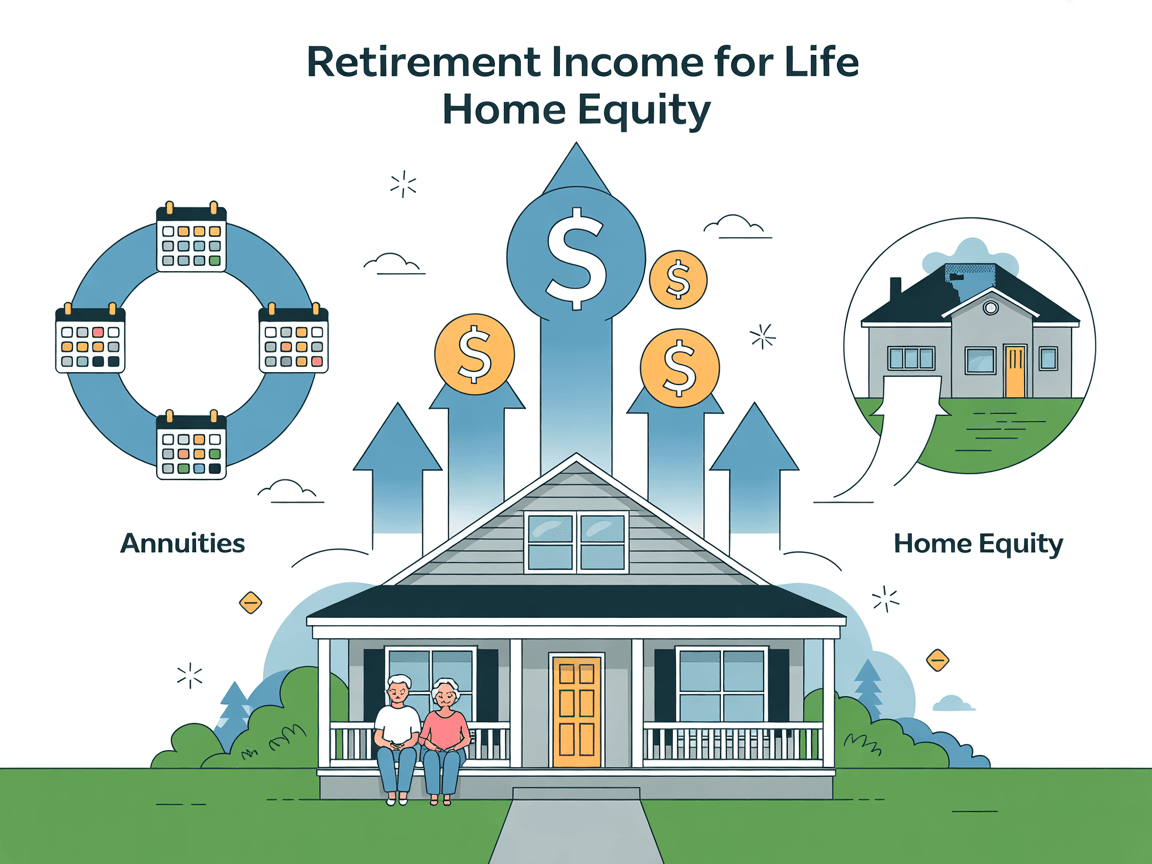
Many retirees overlook a crucial financial resource: their home equity.  


After decades in ministry and now in retirement planning, a persistent blind spot stands out.  


People tend to see their homes solely as shelter, not as a financial safety net.  


A thoughtful local example involved a respected couple who did everything right—paid off their home, saved diligently, and set up retirement funds.  


But when unexpected medical costs hit, their careful plan didn’t stretch far enough.  


For 35 years, they ignored the equity quietly building in their home, treating it as off-limits.  


This scenario is common among area families preparing for retirement.  


Housing equity often becomes “psychologically invisible,” even as it represents a family’s largest store of wealth.  


Recognizing home equity as part of a retirement strategy opens new options—especially when life throws a curve.  


Awareness of this asset can mean the difference between anxiety and adaptability in retirement.

Reverse Mortgage Terms Explained for Long Island, New York

Understand reverse mortgage terms, including Home Equity Conversion Mortgage (HECM), repayment structures, and key terminology for Long Island homeowners.

Larry Speir

Larry Speir

Feb 23, 2026
Reverse Mortgage Terms Explained for Long Island, New York

Long Island homeowners are increasingly tapping their home equity through reverse mortgages, especially the Home Equity Conversion Mortgage (HECM), to support retirement income.


Unlike traditional loans, HECMs don’t require monthly payments, so the balance grows as interest accrues, though borrowers still must cover property taxes, insurance, and upkeep.


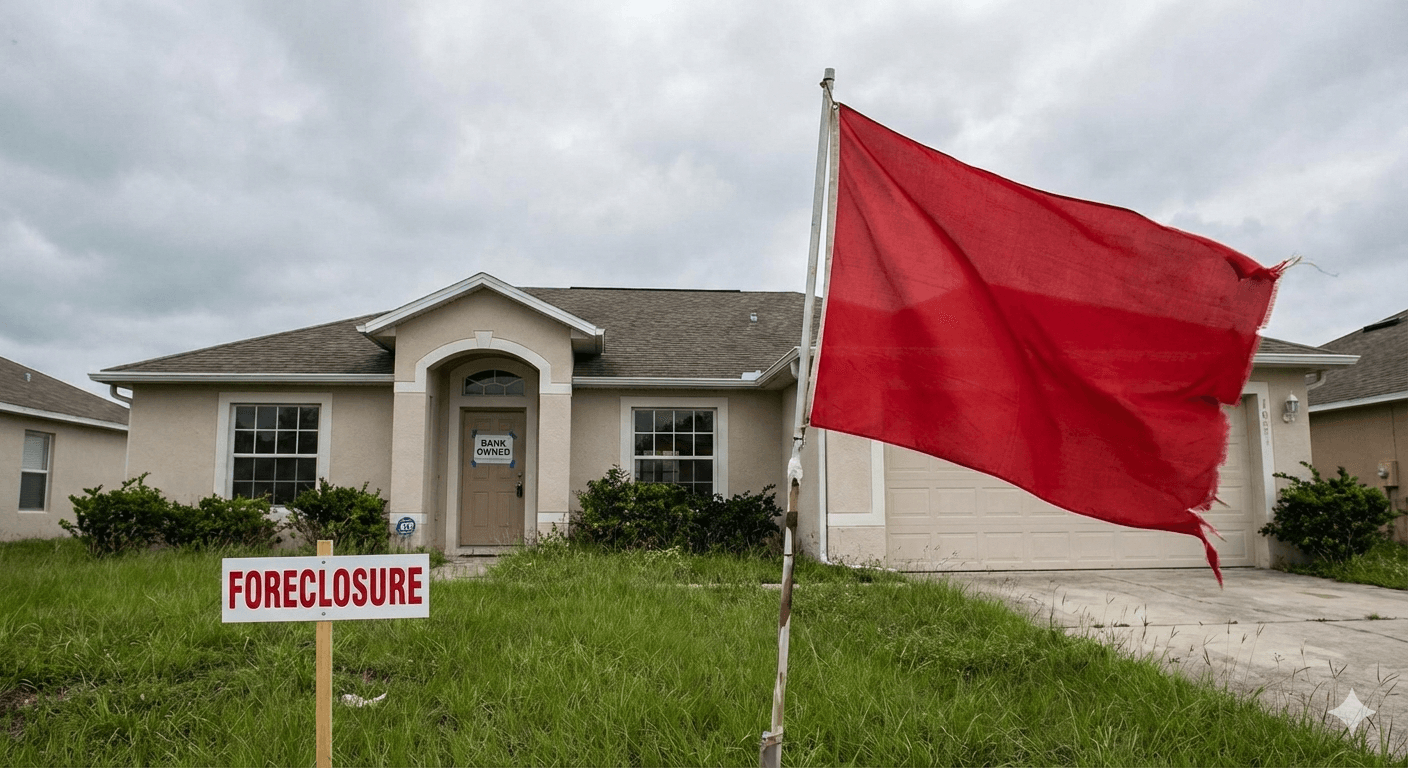
Missing these homeowner obligations can result in foreclosure, a rising concern for Suffolk County seniors.


HECMs typically feature adjustable rates, which affect the total amount owed and allow flexible access—like monthly payments or credit lines.


Key terms such as Principal Limit Factor, Mandatory Obligations, and Non-Recourse Protection help clarify borrower benefits and responsibilities.


Understanding how these factors interplay is vital for protecting your home and financial security.


Seeking guidance from a financial advisor or HUD-approved counselor ensures informed, confident decisions on reverse mortgages in Long Island.

Understanding RMD Rules and Roth IRA Conversions in Long Island

Learn about required minimum distributions and Roth IRA conversion options for Long Island residents.

Larry Speir

Larry Speir

Feb 20, 2026
Understanding RMD Rules and Roth IRA Conversions in Long Island

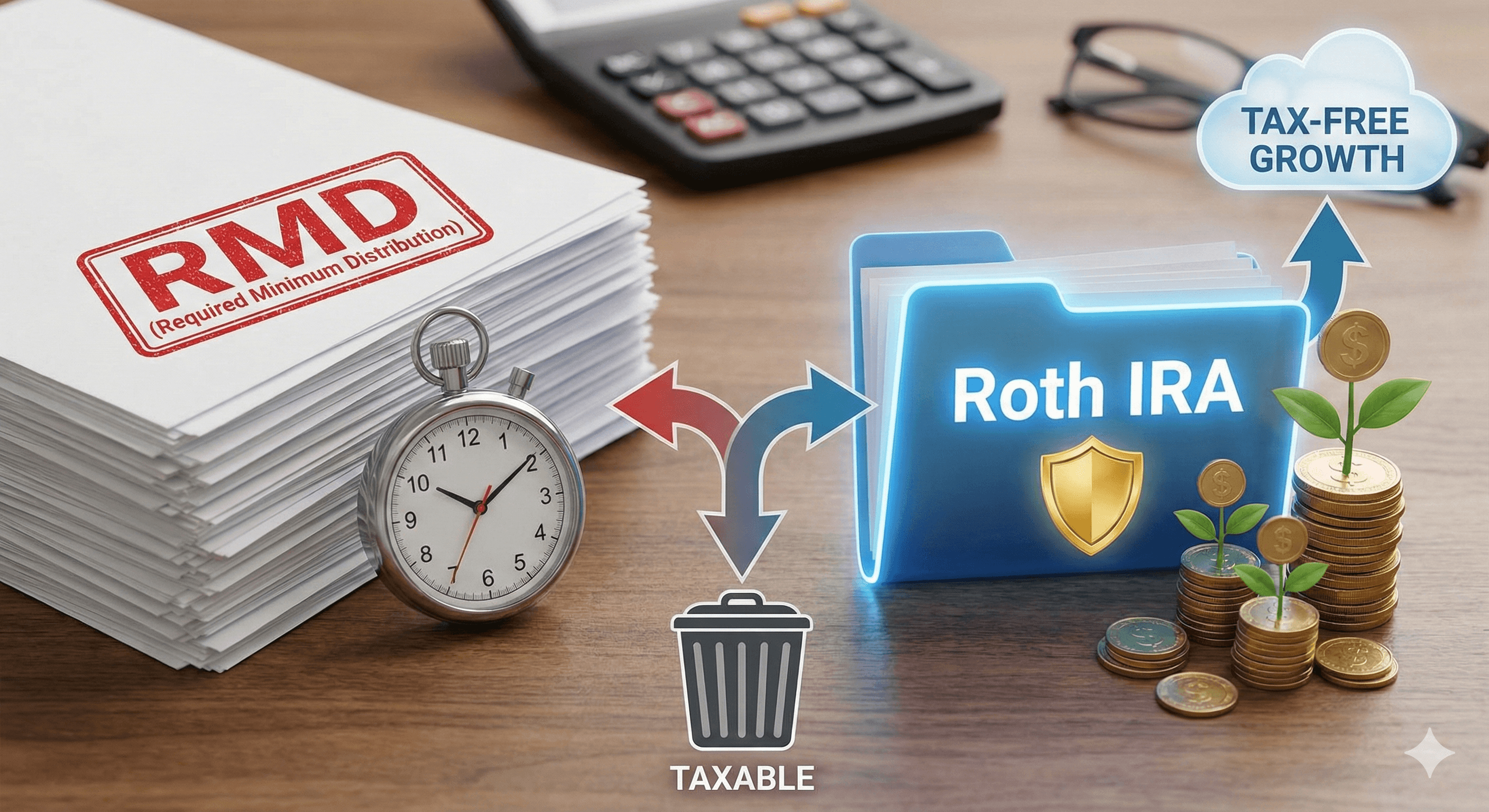
Long Island residents nearing retirement should note important updates to required minimum distributions (RMDs) and Roth IRA conversions.


Starting in 2026, those with tax-deferred retirement accounts must begin taking RMDs at age 73, a shift designed for greater retirement flexibility.


RMDs themselves can’t be directly moved into a Roth IRA.


However, retirees may convert funds from a traditional IRA to a Roth IRA by paying taxes on the converted amount that year; future withdrawals from the Roth are then tax-free.


It’s crucial to understand that converting large sums at once can increase your tax bracket, so many advisors suggest spreading conversions over time to manage taxes effectively.


Recent federal changes also reduced penalties for missed RMDs, down to 25%, and potentially just 10% if errors are fixed quickly.


Consulting with a local advisor is recommended to navigate these rules and build a secure, tax-smart retirement plan.

"The Truth Behind Financial Myths: Debunking Lies About Money"

Uncover the Truth Behind Common Financial Myths - Learn How to Navigate your Finances Wisely!

Larry Speir

Larry Speir

Feb 20, 2026
"The Truth Behind Financial Myths: Debunking Lies About Money"

Last week, I met with a local couple in their late 60s who own their home outright and need money for medical expenses.


Despite their financial pressure, they refused to even discuss a reverse mortgage because their daughter warned them the bank would take the house.


Her concern came from an online rumor, not a financial expert or solid research.


In reality, with a reverse mortgage, you still keep the title and your heirs keep options — pay off the loan, sell the house, or walk away — depending on remaining equity.


It's understandable to be cautious given reverse mortgages' past reputation, but federal protections have been strengthened and persistent myths shouldn't guide crucial financial decisions.


Before dismissing solutions, speak with trusted professionals and base decisions on real facts — not hearsay.


Don't let fear keep you from options you may truly need.

Why Seniors Face Home Loan Rejections and How to Overcome Them

Understanding the Challenges and Exploring Solutions for Older Homeowners

Larry Speir

Larry Speir

Feb 3, 2026
Why Seniors Face Home Loan Rejections and How to Overcome Them

Many seniors believe high credit scores and strong home equity ensure mortgage approval.


Yet, retirees are increasingly denied home equity lines of credit or cash-out refinancing, not for poor credit, but for lower post-retirement incomes.


Even with excellent credit and hundreds of thousands in equity, older homeowners see more rejections—Federal Reserve research shows denial rates for applicants jump from 17.5% overall to over 20% for those 70 and above.


Lenders often focus on steady income, debt ratios, and even the potential longevity of the home or applicant.


This income-centric approach leaves asset-rich, cash-poor seniors with limited loan options.


New solutions are emerging, like special asset-based HELOCs for seniors, offering modest payments and allowing local banks to better serve retirees.


Helping older homeowners tap home equity could benefit both communities and lenders.

Rising Residential Foreclosures: A Sign of Market Normalization, Not Crisis

Understanding the Recent Uptick in Foreclosure Activity

Larry Speir

Larry Speir

Jan 21, 2026
Rising Residential Foreclosures: A Sign of Market Normalization, Not Crisis

Residential foreclosures are rising across the United States, sparking renewed interest in the housing market’s stability.


However, experts say the increase marks a return to pre-pandemic patterns rather than the onset of a crisis.


ATTOM data shows foreclosure filings on 367,460 properties in 2025 — up 14% from 2024 and 3% from 2023.


Despite these gains, activity remains 25% below 2019 and far less than the 2010 peak.


Market normalization is driving the rise, not widespread distress.


Homeowners still enjoy strong equity positions and benefit from tighter lending standards.


Still, escalating costs like soaring property insurance, higher taxes, and job market uncertainties are straining some household budgets.


Yet, most analysts predict no major housing collapse in 2026, with only modest corrections possible in select markets.


Staying informed and working with real estate professionals remains crucial as the market recalibrates.

Seniors Must Overcome the Accumulating-First Mindset

Retirees grapple with the psychological shift from saving to spending

Larry Speir

Larry Speir

Jan 20, 2026
Seniors Must Overcome the Accumulating-First Mindset

Many retirees face a surprising challenge: letting themselves spend the money they've carefully saved over the years.


This "decumulation paradox" often stems from anxiety about outliving their resources, resulting in overly frugal habits even when finances are healthy.


The Silent Generation, shaped by the Great Depression, and Baby Boomers, impacted by later economic crises, often share a cautious mindset.


Worries about inflation, market instability, and healthcare costs drive their reluctance to spend.


Recent surveys reveal that nearly half of retirees feel anxious when using their savings, and a third are spending their nest egg faster than they'd like.


Experts recommend reframing spending as a proactive way to manage risk, assigning funds for specific needs, and empowering retirees to see control and purpose in their financial decisions.


Adopting these strategies can help retirees truly savor their retirement years with confidence.

The Hidden Cost of Ownership Is Squeezing Older Americans

Rising maintenance, insurance, and tax expenses are outpacing incomes, challenging retirees nationwide.

Larry Speir

Larry Speir

Jan 13, 2026
The Hidden Cost of Ownership Is Squeezing Older Americans

Owning a home remains a central part of the American dream, but rising hidden costs are weighing heavily on many older Americans.


On average, homeowners now spend close to $16,000 each year covering maintenance, insurance, and property taxes.


This burden is growing, with maintenance alone averaging over $10,000 and insurance premiums rising sharply, especially in high-cost cities like New York, San Francisco, and Boston—where homeowners face expenses surpassing $20,000 annually.


Retirees living on fixed incomes feel this financial squeeze most, as overall costs jump faster than income.


For example, insurance in Miami now averages $4,607, a 72% increase in just five years.


Experts urge homeowners to budget for regular upkeep, address repairs early, and understand all annual costs, making it easier to maintain both homes and financial security over time.

Rethinking Home Equity: A Key to Smarter Retirement Planning

Unlocking the Potential of Your Home's Value for a Secure Future

Larry Speir

Larry Speir

Jan 11, 2026
Rethinking Home Equity: A Key to Smarter Retirement Planning

Many retirees steadily draw down their IRAs and 401(k)s, paying taxes and risking financial stability, while substantial home equity remains untouched.


This gap in retirement planning leaves a major resource idle.


Home equity is often a retiree’s largest asset, yet it’s rarely leveraged—even though accessing it can be tax-free and insulated from market swings.


Reverse mortgages, for example, offer guaranteed lines of credit that grow over time, bringing much-needed flexibility.


Despite these advantages, emotional ties and outdated views cause many to resist tapping equity.


Many see a paid-off home as the ultimate security, missing that equity alone can’t fund day-to-day expenses or healthcare.


With rising costs and increased life expectancy, reconsidering home equity is vital.


A well-managed reverse mortgage supports, rather than jeopardizes, long-term security.


Strategically using this asset can boost retirement comfort and reduce taxes without risking home ownership.

Unexpected Retirement Costs Frighten Seniors

Unforeseen Expenses Challenge Financial Stability of Retirees

Larry Speir

Larry Speir

Jan 9, 2026
Unexpected Retirement Costs Frighten Seniors

Retirement is often pictured as relaxing, but many seniors face unexpected expenses that strain their finances.


Recent research shows that about 83% of retired households encounter at least one surprise cost each year.


Common issues include major home or vehicle repairs, sudden medical expenses beyond basic care, and family emergencies like helping relatives or covering emergency travel.


Health and home repairs are especially frequent, affecting more than half of retirees annually.


These surprises can total around $7,100 per year for those affected, averaging to roughly $6,000 annually across all retirees—close to 10% of the median retiree’s income.


Yet, only 58% have enough cash to weather a typical year’s worth of surprises, and more than a quarter cannot cover such costs even if they use up their savings and retirement funds.


Financial experts urge retirees to build emergency funds, consider long-term care insurance, and diversify investments to stay resilient.

Can Your Lifestyle Predict Your Lifespan?

Unlocking the secrets to a longer life: how your lifestyle choices affect your longevity

Larry Speir

Larry Speir

Jan 1, 2026
Can Your Lifestyle Predict Your Lifespan?

New research shows that aging is more than a passive process — it’s something you actively shape each day.


Your daily choices and connections can boost brain health, emotional well-being, and overall quality of life as you grow older.


Five impactful habits make a difference: Living with purpose, such as finding meaning in your work or community, helps protect against cognitive decline.


Rediscovering old passions or hobbies keeps your mind engaged and spirits lifted.


Pursuing lifelong learning stimulates your brain, while also giving you opportunities to connect with others.


Volunteering locally brings a sense of connection and fulfillment, lowering stress and enriching your social life.


And exploring new jobs or “encore” careers can bring renewed joy and purpose at any stage.


Ultimately, healthy aging means living meaningfully at every age, focusing on what matters most to you.

Effective Strategies to Pay Off Debt Faster

Proven methods to accelerate your journey to financial freedom

Larry Speir

Larry Speir

Dec 30, 2025
Effective Strategies to Pay Off Debt Faster

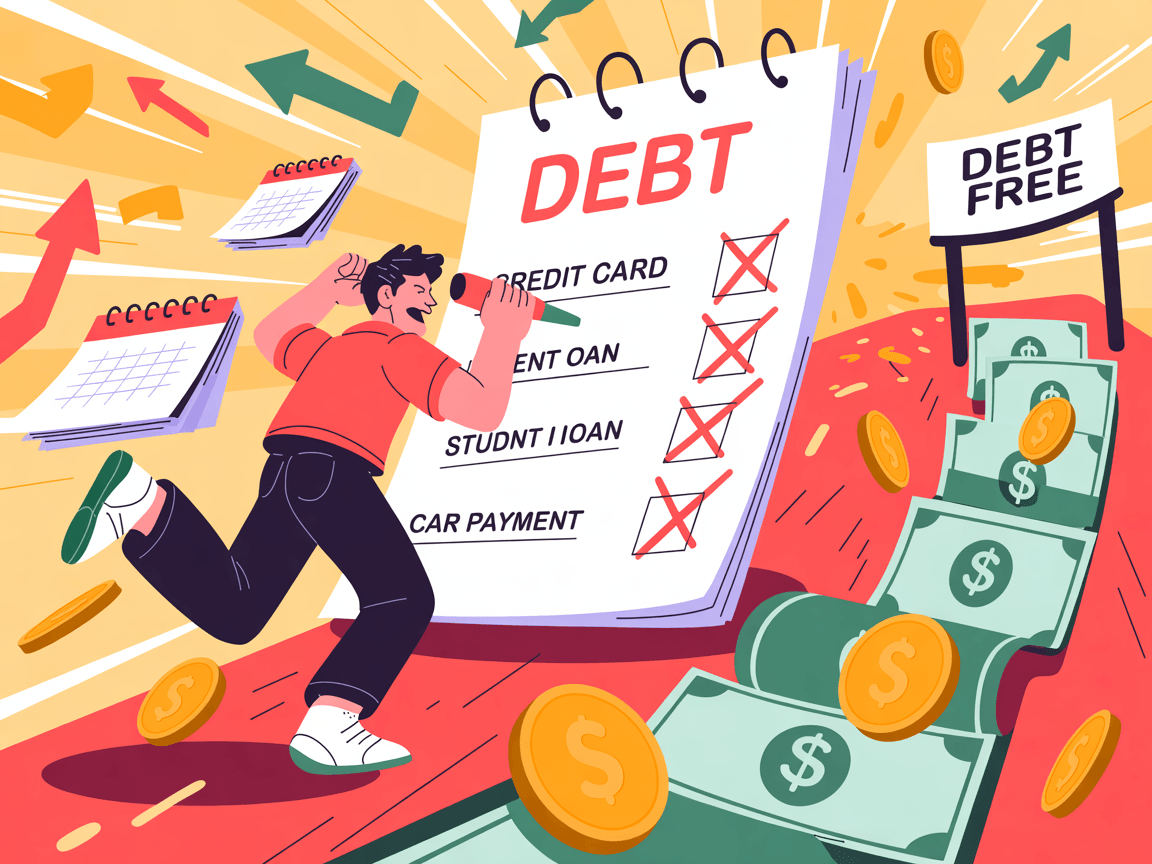
Eliminating debt is a challenge many face, but practical strategies can make a real difference.


Lowering your interest rates—whether by negotiating with creditors, consolidating debt, or refinancing—can reduce how much you owe over time.


Finding ways to boost income, from side jobs to negotiating raises or seeking better-paying work, provides extra cash to pay down debt more quickly.


Cutting unnecessary expenses—budgeting carefully, trimming bills, and limiting discretionary spending—frees up more money for repayments.


It’s essential to avoid new debt by using cash or debit cards and building an emergency fund for life’s surprises.


Applying structured repayment tactics—like the debt snowball or avalanche methods—can help you stay motivated and clear your balances faster.


Consistent effort and smart planning are key to achieving a debt-free life.

Six Smart Financial Goals That Could Transform Your Money in 2026

Recent studies show most Americans are ready to bounce back from 2025's financial setbacks with emergency funds and high-yield accounts topping resolution lists

Larry Speir

Larry Speir

Dec 27, 2025
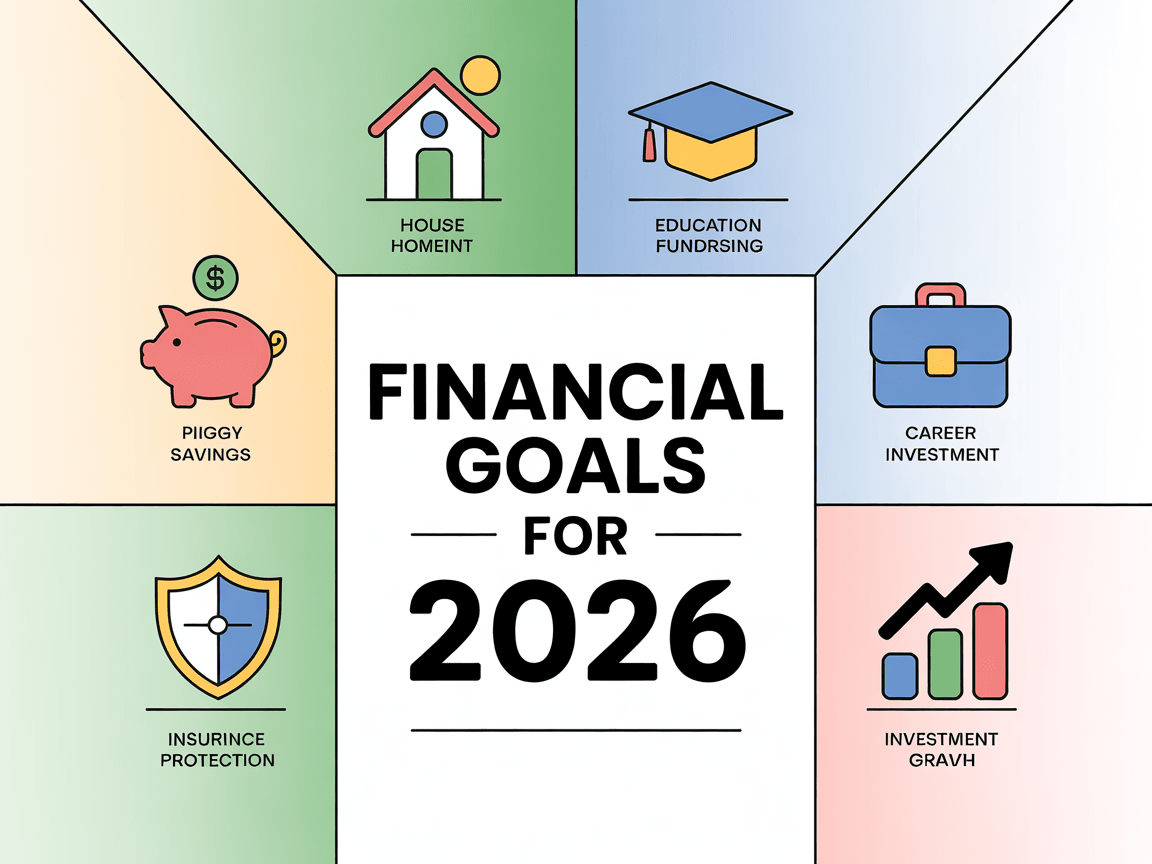
Six Smart Financial Goals That Could Transform Your Money in 2026

84% of adults have already crafted their financial roadmap for 2026, with emergency funds and high-yield savings accounts leading the charge as this year's most sought-after money strategies.


This planning surge reflects heightened financial awareness, as 78% prioritize emergency savings — a dramatic shift from last year's widespread shortfalls.


Baby Boomers focus on protecting against unexpected costs, while Millennials battle insufficient income and Gen Z struggles with overspending habits.


Financial experts recommend three to six months of expenses in high-yield accounts, yet only 46% of Americans meet the three-month mark.


Today's top high-yield savings offer 4.35% rates, vastly outperforming traditional accounts at 0.40%.


The popular 50/30/20 budgeting rule allocates half of after-tax income to living expenses, 30% to discretionary spending, and 20% toward savings.


Automated savings tools particularly benefit low-income individuals through consistent, effortless contributions.


With Americans carrying $21,500 in non-mortgage debt, strategic debt reduction has become crucial for financial success.

Why More People Will Buy Annuities and Life Insurance in 2026

A Shift Towards Financial Stability Amid Economic Uncertainty

Larry Speir

Larry Speir

Dec 23, 2025
Why More People Will Buy Annuities and Life Insurance in 2026

In 2026, heightened economic uncertainty is pushing more Americans to purchase annuities and life insurance products, seeking reliable ways to protect their finances.


Retirees are shifting away from high-risk investments in favor of fixed and indexed annuities, which guarantee stable monthly income and offer protection against market swings.


New figures reveal that U.S. annuity sales hit $223 billion in early 2025, up 3% from the previous year. Registered Index-Linked Annuities in particular surged, growing 20% in the second quarter as people seek both growth and security.


Younger adults are also more aware of the need for financial planning, increasingly choosing term life insurance for affordable coverage amid rising family and medical expenses.


Families are having crucial multigenerational conversations about safeguarding loved ones from unexpected costs, driving a proactive approach to financial stability.

Now Is the Best Time to Buy Restaurant Gift Cards

Take advantage of holiday promotions to maximize your dining dollars

Larry Speir

Larry Speir

Dec 22, 2025
Now Is the Best Time to Buy Restaurant Gift Cards

December stands out as the perfect time to buy restaurant gift cards, with enticing promotions amplifying their value for both givers and recipients.


Restaurants like Panera Bread and IHOP are offering bonus cards with qualifying purchases — from Panera’s $10 bonus with every $50 card to IHOP’s $5 extra for a $25 card, making holiday spending go further.


These bonuses are an easy way to stretch your budget while treating friends and family, or even rewarding yourself with future meals.


Local favorites such as Beef 'N Bottle in Charlotte add a community touch, offering a $30 bonus on $100 gift card purchases and supporting neighborhood businesses.


Gift cards suit every budget, ensuring no recipient is left out.


Take advantage of these seasonal deals to enjoy extra value and spread holiday cheer at the table.

J.P. Morgan Highlights Credit Card Debt as Major Retirement Obstacle

New study reveals nearly half of retirement plan participants carry credit card debt, impacting their financial security

Larry Speir

Larry Speir

Dec 19, 2025
J.P. Morgan Highlights Credit Card Debt as Major Retirement Obstacle

Nearly 48% of those enrolled in retirement plans are struggling with credit card debt, according to a recent J.P. Morgan Asset Management study.


This financial pressure often leads individuals to borrow from their own retirement accounts—risking their long-term security.


The data, drawn from over 12 million people in 16,000 defined contribution plans, reveals that high credit card balances can sharply reduce contributions and lower total savings.


For older savers, this impact may decrease retirement readiness by as much as 40%.


External financial challenges, like mounting credit card bills, don’t just hurt savings—they reshape retirement outcomes entirely.


Spending also drops by over 30% from age 60 to 85, yet most retirees face sharp year-to-year changes.


Boosting contributions by only one percent starting at age 25 could cover nine years of Medicare expenses later in life.


This research urges local residents to manage debt wisely and adapt savings plans for genuine financial security.

"The Silent Threat to Retirement: Are You Prepared?"

Discover the hidden threat lurking in retirement plans - are you truly prepared?

Larry Speir

Larry Speir

Dec 17, 2025
"The Silent Threat to Retirement: Are You Prepared?"

Nearly 70% of Americans over 65 will need some form of long-term care, yet many remain unprepared for the steep financial impact.


Medicare and standard health insurance plans do not cover extended custodial care, leaving a surprising coverage gap.


This “Cost Gap” means retirees often face out-of-pocket expenses far greater than expected, threatening savings and financial security.


Just one long-term care event could rapidly deplete your assets, endanger surviving spouses, and disrupt decades of careful retirement planning.


Protect your future by educating yourself.


Download the free cheatsheet “Retirement’s Hidden Risk: How to Protect Your Savings From Long-Term Care Costs” to learn strategies that help safeguard your hard-earned nest egg.

Understanding the Significance of Hanukkah

A Celebration of Faith, Freedom, and Resilience

Larry Speir

Larry Speir

Dec 15, 2025
Understanding the Significance of Hanukkah

Hanukkah, the eight-day Festival of Lights, honors the rededication of the Second Temple in Jerusalem over two thousand years ago.


In the 2nd century BCE, the Jewish Maccabees bravely resisted Seleucid Greek oppression, reclaiming their temple and faith.


With only one day’s oil left for the menorah, a miracle allowed the flame to burn for eight nights, inspiring the holiday’s duration.


Hanukkah shines as a testament to religious freedom and cultural resilience.


Families kindle menorahs, share stories, and savor fried favorites like latkes and sufganiyot, celebrating the miracle of light.


Communities unite for menorah lightings and joyous festivities, including public events in Washington, D.C. and San Diego from December 14 to 22, 2025.


Hanukkah’s enduring message reminds all to cherish hope, stand firm in faith, and embrace tradition in the face of adversity.

Navigating Off-Limits Conversations at Holiday Gatherings

Steering Clear of Sensitive Topics to Ensure Festive Harmony

Larry Speir

Larry Speir

Dec 14, 2025
Navigating Off-Limits Conversations at Holiday Gatherings

The festive season is a time for joy and reconnection with loved ones.


But certain sensitive topics can quickly disrupt harmony at the table.


To keep gatherings positive, avoid conversations about personal finances, relationship status, or heated political views.


Steer clear of comments on appearance, unsolicited parenting advice, or probing into health and career updates.


Family planning questions, religious debates, and reminders of past mistakes can also be deeply uncomfortable.


Instead of comparisons or judgment, celebrate each person’s individuality and achievements.


Should a conversation veer into sensitive territory, gently guide it toward shared interests, lighthearted stories, or upcoming family plans.


By focusing on what unites rather than divides, you help create a warm, memorable holiday atmosphere for everyone.

"The Secret to Keeping Your Live Christmas Tree Fresh: Expert Tips and Tricks Revealed!"

Master the art of keeping your live Christmas tree fresh all season long.

Larry Speir

Larry Speir

Dec 12, 2025
"The Secret to Keeping Your Live Christmas Tree Fresh: Expert Tips and Tricks Revealed!"

Keep your live Christmas tree lush and safe this holiday season with a few simple steps.


Start by trimming about half an inch off the trunk before placing it in the stand.


Fill the tree stand with water immediately, and top it off every day—a fresh tree can easily drink up to a gallon daily.


Only use fresh tap water—skip any additives or homemade mixes.


For best results, place the tree away from heat sources such as radiators, fireplaces, or direct sunlight, and opt for LED lights to minimize drying.


If your home air is dry, a humidifier nearby can help keep the needles intact.


With regular care, your tree will stay greener, emit a wonderful scent, and shine brightly throughout the season.

The Unlikely History of How the Poinsettia Became a Christmas Symbol

From a humble Mexican weed to a holiday superstar, the story of the poinsettia is a tale of legend, diplomacy, and brilliant marketing.

Larry Speir

Larry Speir

Dec 11, 2025
The Unlikely History of How the Poinsettia Became a Christmas Symbol

The vibrant poinsettia’s journey to becoming a holiday staple begins with a beautiful Mexican legend.


It tells of a young girl’s humble gift of weeds miraculously transforming into brilliant red flowers at a nativity scene, earning the name “Flor de Nochebuena.”


For centuries, this plant was a regional treasure in southern Mexico.


Its path to American homes started in 1828 with Joel Roberts Poinsett, the first U.S. ambassador to Mexico.


A keen botanist, he sent cuttings to his South Carolina greenhouse, and the flower was later named in his honor.


However, it was California grower Paul Ecke who cemented the poinsettia’s status as a Christmas icon.


He developed a technique for the full, bushy plants we see today and masterfully promoted them on television, securing their cherished place in our local holiday celebrations.

The Real Reason We Leave Cookies and Milk for Santa Claus

The beloved Christmas tradition of leaving cookies and milk for Santa has a surprisingly deep history, rooted in gratitude during America's toughest times and ancient European myths.

Larry Speir

Larry Speir

Dec 9, 2025
The Real Reason We Leave Cookies and Milk for Santa Claus

Have you ever wondered why we leave cookies and milk for Santa Claus?


The beloved tradition as we know it became popular during the Great Depression.


During the 1930s, American parents encouraged the practice to teach children about gratitude and generosity, even when families had very little.


It was a powerful lesson in sharing during a time of hardship.


But the custom has much older roots in Norse mythology, when children left hay for Odin’s horse hoping for gifts in return.


The tradition is also connected to Dutch celebrations for St. Nicholas.


Other cultures have their own versions, from mince pies in Britain to a pint of Guinness in Ireland.


So this Christmas Eve, you're not just leaving a snack—you're taking part in a global history of giving and thankfulness.

Living to 100 Is the New Reality. But Are You Financially Prepared for It?

A shocking number of Americans now fear outliving their savings more than death itself, as the prospect of a 100-year lifespan creates a daunting new financial challenge.

Larry Speir

Larry Speir

Dec 8, 2025
Living to 100 Is the New Reality. But Are You Financially Prepared for It?

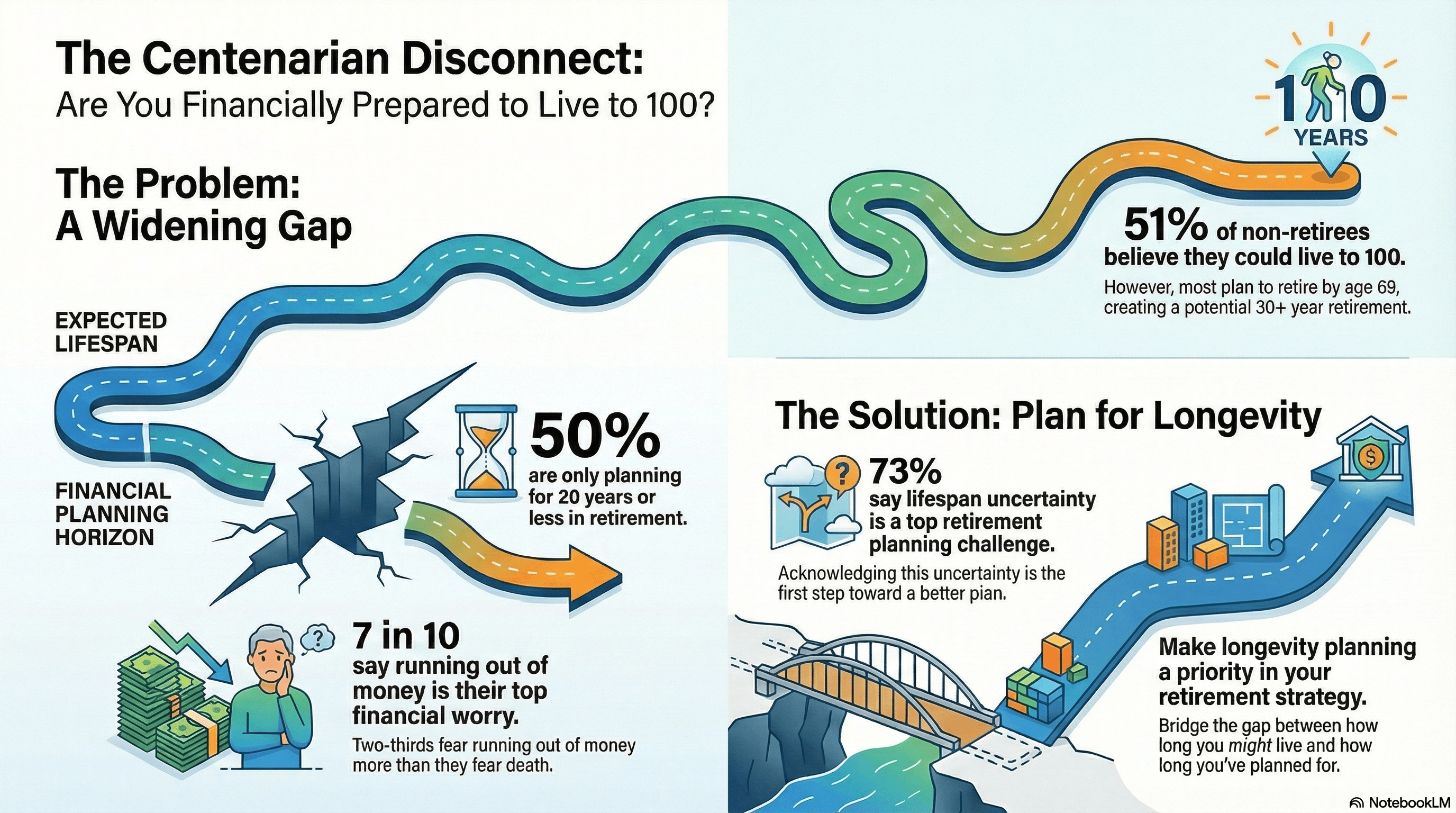
Living to age 100 is becoming a real possibility for many in our community, with the number of centenarians expected to quadruple by 2054.


This incredible longevity, however, raises a profound and widespread anxiety.


For a growing number of Americans, the fear of running out of money now actually outweighs the fear of death.


The key to building confidence for a retirement that could span decades is having a source of guaranteed monthly income in addition to Social Security.


This creates a reliable paycheck that you simply cannot outlive, providing true peace of mind.


Pairing that income with a detailed strategy from a financial professional transforms abstract fears into a concrete, actionable plan.


Now is the time to make longevity planning a priority for your future.

December's Hottest Fast Food Deals to Savor

Unwrap the Season's Best Offers from Your Favorite Chains

Larry Speir

Larry Speir

Dec 8, 2025
December's Hottest Fast Food Deals to Savor

December is shaping up to be a feast for fast-food lovers, with major chains rolling out budget-friendly deals that let you indulge without overspending.


Local favorites like McDonald's, Wendy's, and Subway are extending their combo offers, packing in sandwiches, nuggets, fries, and drinks for as little as $5.


Taco Bell, Burger King, and Domino’s entice with customizable meal boxes, mix-and-match deals, and weekly free fries or bonus sandwiches through their apps.


Panda Express and Church’s Chicken are looking out for families, offering generous family meals under $40 with enough food for a crowd.


Sonic, Del Taco, and Dairy Queen provide value-packed combinations, free drinks, and classic happy hour specials to keep everyone satisfied.


Sign up for rewards apps or check each chain’s offers in-store, and you’ll find plenty of ways to eat well for less this month.

When Is It Time to Hang Up the Snow Shovel?

Understanding the Risks and Safe Practices for Older Adults

Larry Speir

Larry Speir

Dec 1, 2025
When Is It Time to Hang Up the Snow Shovel?

With winter’s arrival and snow quickly accumulating, clearing driveways and sidewalks shifts from routine chore to serious health concern for older adults.


Health experts urge anyone over 45 to use extra caution when shoveling, especially those with heart issues, high blood pressure, or high cholesterol.


Smoking, obesity, and lack of regular exercise can make shoveling even riskier.


Cold air combined with the effort of lifting snow puts added pressure on the heart, sometimes resulting in medical emergencies.


Research links heavy snowfall to increased heart attacks—particularly in seniors.


Warming up before shoveling, using lightweight equipment, and taking frequent breaks can all help reduce risk.


Staying alert to warning signs like chest pain or shortness of breath is crucial.


Choosing alternatives such as snow blowers or hiring help may keep local residents safer throughout the winter.

Two Critical RMD Rule Updates Retirees in Las Vegas Must Grasp Before 2026

Sweeping changes to withdrawal ages and penalties under the Secure 2.0 Act are prompting a fresh look at retirement finances across Southern Nevada.

Larry Speir

Larry Speir

Nov 29, 2025
Two Critical RMD Rule Updates Retirees in Las Vegas Must Grasp Before 2026

For thousands of retirees across the Las Vegas valley, navigating retirement accounts has new complexities due to recent federal changes.


These updates to Required Minimum Distribution (RMD) rules are critical for protecting your financial future.


First, the Secure 2.0 Act has pushed the starting age for RMDs from 72 to 73 for many individuals.


It is set to rise again to 75 for those born in 1960 or later, allowing investments more time to grow.


Second, the IRS has significantly reduced the penalty for a missed withdrawal.


The penalty has been slashed from a staggering 50% to a more manageable 25%, and can even drop to 10% if corrected promptly.


Be aware, however, that delaying your first RMD can create a tax trap, potentially requiring two distributions in one year and pushing you into a higher tax bracket.

Understanding the Transition: Does a Revocable Trust Become Irrevocable After Death?

Exploring the Implications of a Revocable Trust's Status Change Upon the Grantor's Passing

Larry Speir

Larry Speir

Nov 27, 2025
Understanding the Transition: Does a Revocable Trust Become Irrevocable After Death?

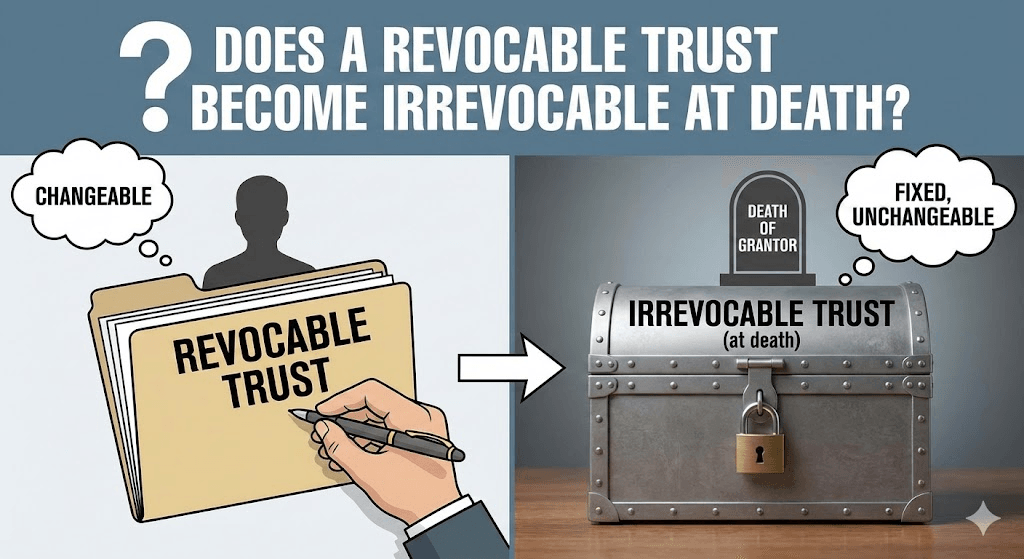
A revocable trust, also known as a living trust, gives the grantor full control to manage and adjust their assets at any time during their lifetime.


Once the grantor passes away, the trust usually becomes irrevocable, locking in the original instructions for asset distribution.


This shift guarantees that the grantor’s wishes are preserved exactly as intended.


For example, retirees often use revocable trusts to manage their finances, keeping flexibility while they’re alive.


After their death, a successor trustee must follow the trust’s guidelines, ensuring assets are passed on according to the grantor’s plans.


In rare cases, trust documents or state laws might allow some changes after death, so it’s wise to consult an estate planning expert for personalized advice.


Ultimately, a revocable trust combines lifetime flexibility with a clear, secure plan for asset distribution afterward.

The Savvy Retiree Digest

© 2026 The Savvy Retiree Digest.

The Savvy Retiree Digest is Long Island’s trusted guide for retirees who want to stay active, informed, and inspired. Each issue highlights local events, community resources, travel ideas, wellness tips, and money-smart strategies tailored for life after work. Blending practical advice with fun lifestyle features, we help Long Island retirees make the most of every day with confidence and ease.

© 2026 The Savvy Retiree Digest.

This publication sponsored by