

7 Essential Steps to Prepare Your Long Island Home for Winter |
Ensure your home is ready for the cold months ahead with these crucial winterization tips. |
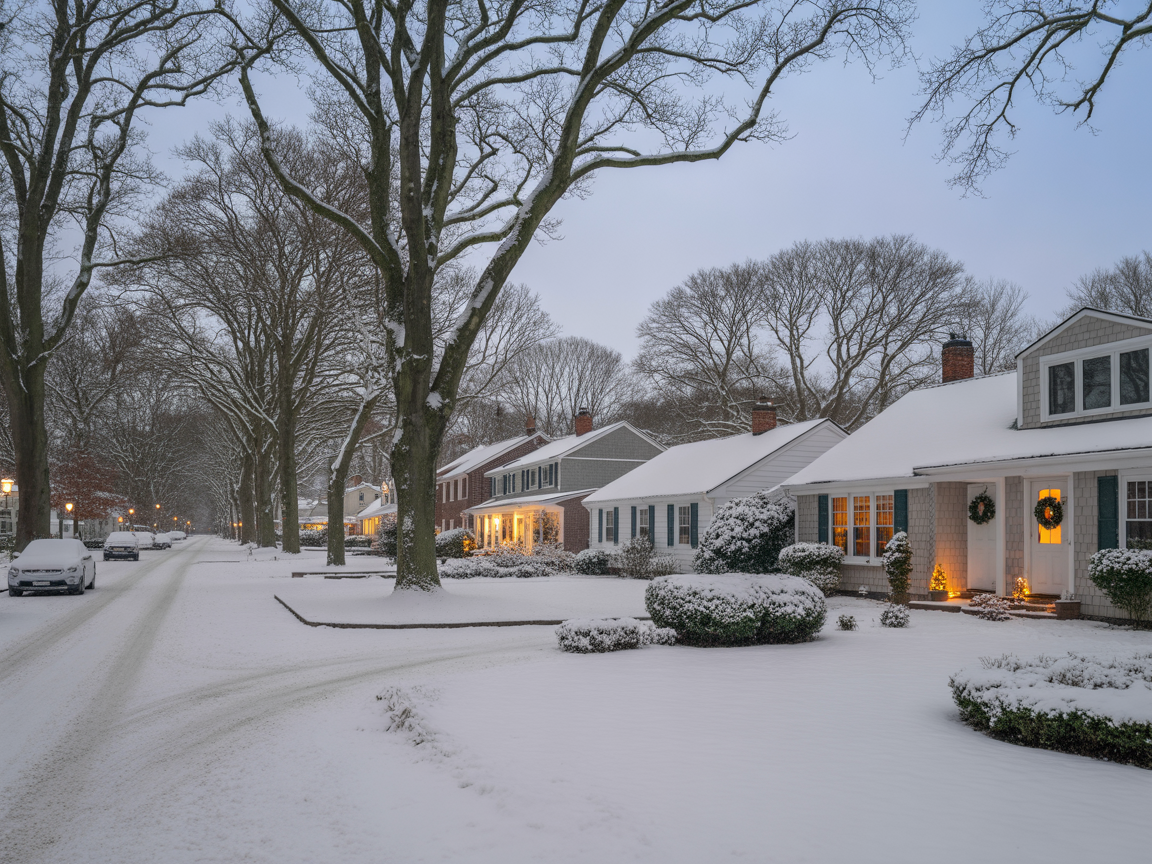
As the days shorten and temperatures drop, it's time to prepare your Long Island home for winter. Taking proactive steps now can prevent costly repairs and keep your family comfortable during the colder months.
1. Schedule an HVAC Inspection Before the chill sets in, have a professional inspect your heating system. Regular maintenance can enhance efficiency and extend the lifespan of your furnace or heat pump. Don't forget to replace filters and clean vents to ensure optimal airflow.
2. Seal Windows and Doors Drafty windows and doors can significantly increase heating costs. Inspect for gaps or worn weatherstripping and seal them with caulk or foam. Installing thermal curtains or door sweeps can further prevent cold air infiltration.
3. Clean Gutters and Downspouts Clogged gutters can lead to ice dams and water damage. Clear leaves and debris to ensure proper drainage. Make sure downspouts direct water away from your foundation to prevent issues when snow melts and refreezes.
4. Insulate Exposed Pipes Frozen pipes can burst, causing extensive damage. Insulate pipes in unheated areas like basements, attics, and garages. During extreme cold, let faucets drip slightly to keep water moving and reduce freezing risk.
5. Reverse Ceiling Fans Set ceiling fans to rotate clockwise in winter to push warm air down, improving heat distribution. Remember to switch them back to counterclockwise in spring for cooling.
6. Test Smoke and Carbon Monoxide Detectors With increased use of heating systems, ensure all detectors are functioning properly. Replace batteries if needed and have detectors on each level of your home and outside sleeping areas.
7. Winterize Outdoor Faucets and Hoses To prevent freezing, shut off outdoor water valves and disconnect garden hoses. Installing insulated faucet covers adds extra protection.
By following these steps, you can safeguard your home against winter's challenges and enjoy a warm, worry-free season. |
0 Comments
Join the conversation
Be the first to comment
Share your thoughts above.