

Essential Dog Safety Tips for Autumn |
Enter Subtitle |
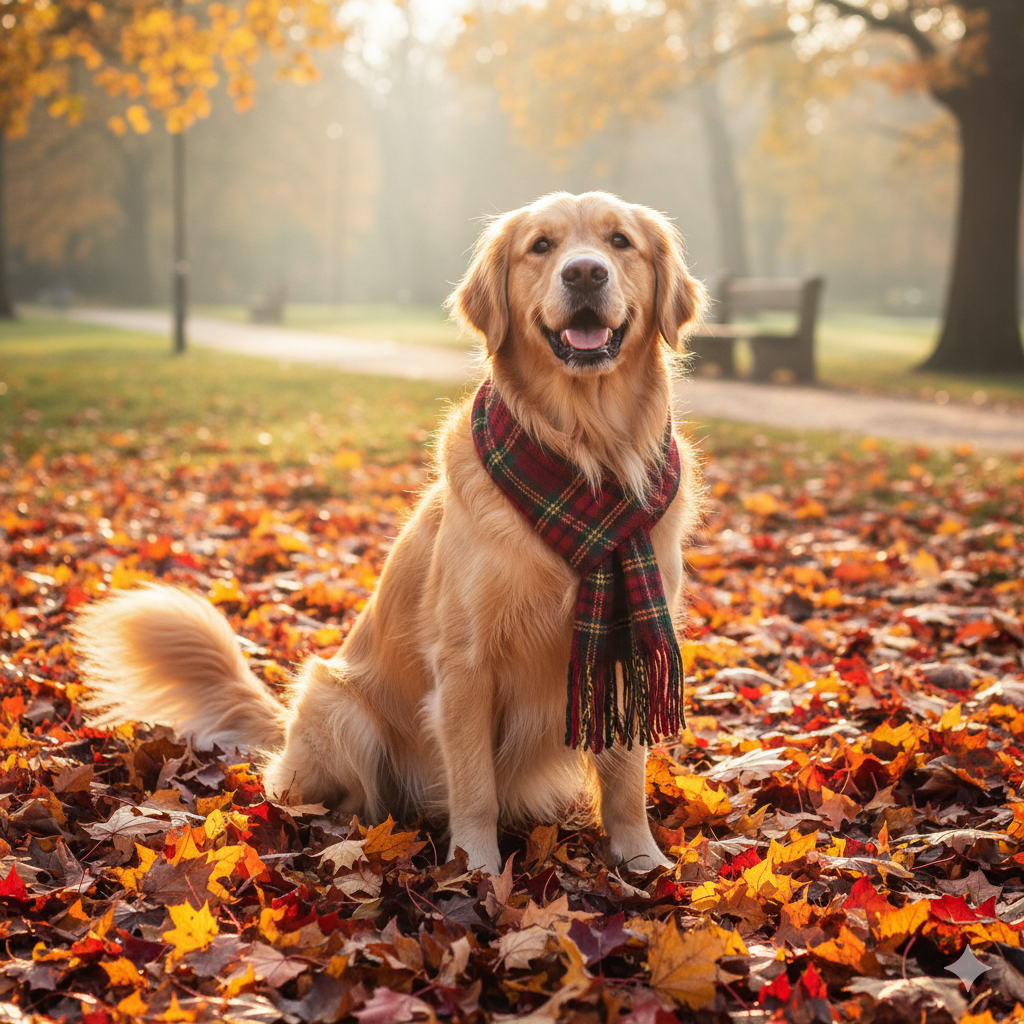
As autumn arrives, bringing cooler temperatures and vibrant foliage, it's crucial to be aware of seasonal hazards that could affect your dog's health.
Beware of Rodenticides and Antifreeze With the onset of fall, the use of rodenticides increases as rodents seek shelter indoors. These substances are highly toxic to dogs and can be fatal if ingested. Ensure any rodenticides are placed in areas inaccessible to your pets. Additionally, many people change their car's engine coolant during this season. Traditional antifreeze contains ethylene glycol, which is extremely poisonous to dogs. Opt for propylene glycol-based coolants, which are less toxic, and clean up any spills immediately.
Keep School Supplies Out of Reach Back-to-school season means an abundance of items like glue sticks, pencils, and markers in the home. While these are generally low in toxicity, they can cause gastrointestinal upset or blockages if ingested by dogs. Store all school supplies and backpacks in places your dog cannot access.
Avoid Mushrooms Autumn is prime time for mushroom growth. While most mushrooms are harmless, some are highly toxic and can cause severe health issues in dogs. Since it's challenging to distinguish between safe and poisonous varieties, it's best to prevent your dog from consuming any mushrooms during walks or in your yard.
Be Cautious of Wildlife As temperatures drop, certain wildlife, such as snakes, become more active as they prepare for hibernation. This increases the risk of encounters that could lead to bites or other injuries. Familiarize yourself with the types of wildlife in your area and take precautions to keep your dog away from potential dangers.
Maintain Visibility During Shorter Days With shorter daylight hours, ensure your dog is visible during evening walks. Use reflective collars, leashes, or vests, and consider attaching a light to your dog's collar to enhance visibility to motorists and other pedestrians.
Monitor for Seasonal Allergies Fall can bring about seasonal allergies in dogs, leading to symptoms like itching, sneezing, or skin irritations. If you notice any of these signs, consult your veterinarian for appropriate management strategies.
By staying vigilant and proactive, you can ensure your dog enjoys a safe and healthy autumn season. |